Inside Mitsubishi's KOBO Facility: Unveiling the Science of Golf Shafts
Before diving into testing, we visited Mitsubishi's advanced KOBO facility in Carlsbad, California. This R&D hub, equipped with cameras, robots, and custom shaft-testing machinery, offers a glimpse into how laboratory insights translate to on-course performance, specifically in achieving solid face contact.
Beyond Retail Myths: The Personal Nature of Shafts
For years, the golf equipment industry has followed a simplified narrative: fast swingers need stiff, heavy shafts for low launch and spin, while slower swingers benefit from lighter, softer shafts for high launch. While this logic has some basis, it doesn't capture the full picture. This approach, while convenient for retail displays and fitting charts, overlooks the complex reality of shaft performance. In reality, a golf shaft is a highly personal timing mechanism. Its interaction with your hands, transition, and delivery pattern is far more critical than generic labels.
Working within Mitsubishi's M-LAB protocol with Jason Felicitas, whose expertise lies in Tour Performance and Fitting Innovation, the goal extended beyond optimizing launch monitor numbers. The objective was to understand the shaft's behavior throughout the swing and why theoretical performance doesn't always translate to on-course success.
Clubheads, Not Shafts, Dictate Launch and Spin
A common misconception in golf equipment is that shafts significantly influence launch and spin. In truth, the clubhead and impact physics are the primary determinants of ball flight. The shaft's main role is to consistently deliver the clubhead to impact, square to the path and centered on the face, enabling optimal outcomes.
High-speed 3D motion capture systems like GEARS reveal that shaft profiles don't inherently alter launch angles. Instead, variations in butt stiffness, mid-section flex, and tip stability influence how the shaft loads under pressure, the speed at which the face closes at impact (closure rate), and how the golfer's body adapts to the weight and flex profile during the transition.
If a shaft profile clashes with a golfer's natural release pattern, subconscious compensations will occur. This can lead to holding off the release, casting the club from the top, or altering the swing path simply because the clubhead doesn't feel correctly positioned. When a golfer has to consciously time a shaft rather than swing naturally, shot dispersion widens, and center-face contact decreases.
Exploring Shaft Profiles
To understand how the body responds to different shaft profiles, we tested three core design philosophies from Mitsubishi's Diamana platform using the same driver head:
- The Whiteboard Profile (Stiff Tip, Firmer Overall): Traditionally associated with low launch and low spin. It offers stability for aggressive transitions, minimizing excessive droop or twist. However, its resistance to quick face closure might lead to slightly open faces for players relying on face rotation, potentially causing high-right misses. It's important to note that this is a generalization, and it can aid some players in drawing the ball.
- The Blueboard Profile (Balanced, Smooth Mid-Flex): This mid-range design features a smooth transition from the handle to the tip. For many golfers, this balanced stiffness allows for better feel of the clubhead at the top of the backswing without feeling overly stiff. Testing showed this profile produced the most consistent center-face strikes and tightest dispersion patterns, as it required no manipulation from the golfer.
- The Redboard Profile (Active Tip, Stable Handle): Often considered a "high-launch" option for moderate swing speeds. Modern designs combine an active tip with extremely low torque. For players who swing from the inside and struggle with over-hooking, an active tip with a stable handle allows for a free swing without the fear of the face closing excessively through impact.
Dispelling Swing Speed and Flex Myths
Real-time evaluation of these profiles demonstrates why conventional fitting guidelines often fall short for average golfers. High swing speeds don't automatically necessitate extremely stiff shafts. Professional players swinging over 120 mph may use 60-gram shafts or softer tip profiles to facilitate proper club loading and face squaring without excessive hand action. It's also crucial to remember that not all PGA Tour players have an upward angle of attack; some, like Xander Schauffele, operate closer to a neutral or slightly downward angle of attack.
Conversely, moderate swing speeds aren't limited to high-launch profiles. A 90 mph swing speed golfer with an aggressive transition might lose face control with a soft profile, finding better center-contact and tighter dispersion with a sturdier, more linear design.
Furthermore, "stability" is largely a subjective feel. Differences between Tour X (TX) and standard X-flex often stem from subtle variations in torque and material placement. A shaft that feels too loose can cause hesitation, while one that feels overly stiff may lead to over-swinging as compensation.
When evaluating a driver setup, the fitting process must always prioritize real-world delivery over theoretical launch numbers. The initial step involves establishing your intended start line and shot shape to ensure the club delivers the face as expected. Subsequently, the focus shifts to impact location and consistency in finding the center of the face. Finally, feel and transition are key to ensuring repeatable swings without conscious manipulation.
Achieving consistent strike location within a small area on the face leads to stable ball speed and spin rates, resulting in more playable misses. This consistency is achieved through a shaft that complements your natural mechanics, not by adhering to generic fitting cart labels. When seeking to optimize your driver, look beyond flex designations and static charts. Pay attention to your start lines, your typical impact location on the face, and the natural release of your club. Aligning these three factors will help you find the shaft that truly belongs in your bag.
SEO Title
<title>Mitsubishi KOBO Facility: The Science Behind Golf Shaft Performance</title>
SEO Description
<meta name="description" content="Explore Mitsubishi's state-of-the-art KOBO facility and uncover the real science behind golf shaft performance. Learn how shaft design impacts your swing and discover why traditional fitting myths don't always apply.">
Novedades — Golf noticias

Internationals Make History with Decisive Bridges Cup Victory at Trump Turnberry
La selección internacional hizo historia en el Trump Turnberry al conquistar su primer título de la Bridges Cup de manera contundente. El equipo estadounidense, que había ganado las tres ediciones anteriores, no pudo revalidar su dominio. Simon Holt, capitán del equipo internacional, y Jeff Fuj
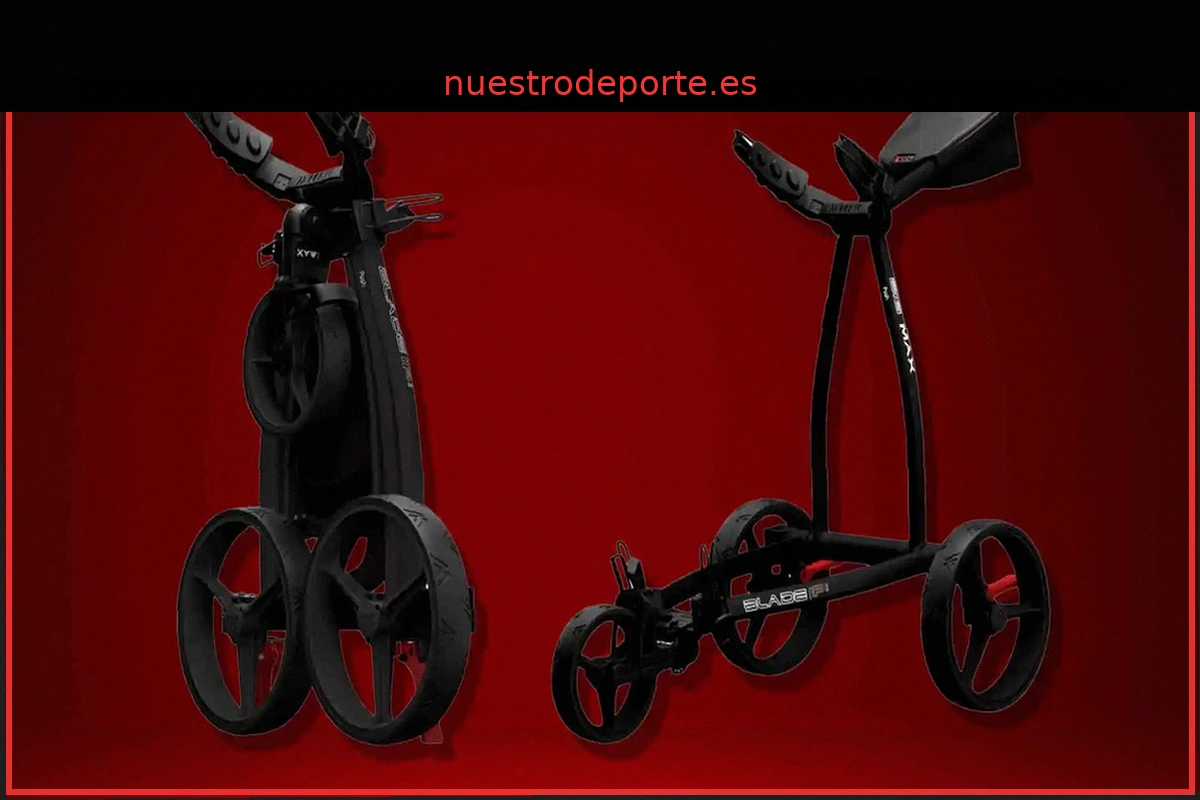
Big Max Blade IP 2: Carrito de golf que rompe esquemas
Nunca fui partidario de los carritos de empuje. Siempre vi cómo hombres perfectamente cuerdos se convertían en porteadores sin sueldo entre el primer tee y el aparcamiento. Un minuto explican compartimentos ocultos y rodamientos de calidad aeronáutica; cuatro hoyos después luchan con él por un cami

Bank of Utah Championship: Horarios de Salida del Domingo
La ronda final del Bank of Utah Championship se jugará el domingo en Black Desert Resort. Aquí encontrarás todos los horarios de salida para la cuarta ronda. Bank of Utah Championship Ronda 4: Información Clave Este domingo, el Black Desert Resort podría ser testigo del primer gran tr

Ping firma acuerdo con Kihei Akina, estrella de la Walker Cup y de BYU
El golfista Kihei Akina, jugador de la Walker Cup y estudiante de segundo año en BYU, se une a Ping como su más reciente embajador NIL (Nombre, Imagen, Semejanza). Akina, quien finalizó octavo en los Campeonatos de la NCAA de 2026, expresó en un comunicado: "Unirme a Ping en es

Apes Hill Barbados: un resort de golf tropical entre los 100 mejores
George Washington, el presidente que no mentía, solo salió del país una vez. Ese único viaje fue a Barbados, donde pasó seis semanas en una casa que hoy lleva su nombre. Viajaba con su medio hermano Lawrence, en busca de alivio para la tuberculosis. El clima apacible de la isla era conocido po
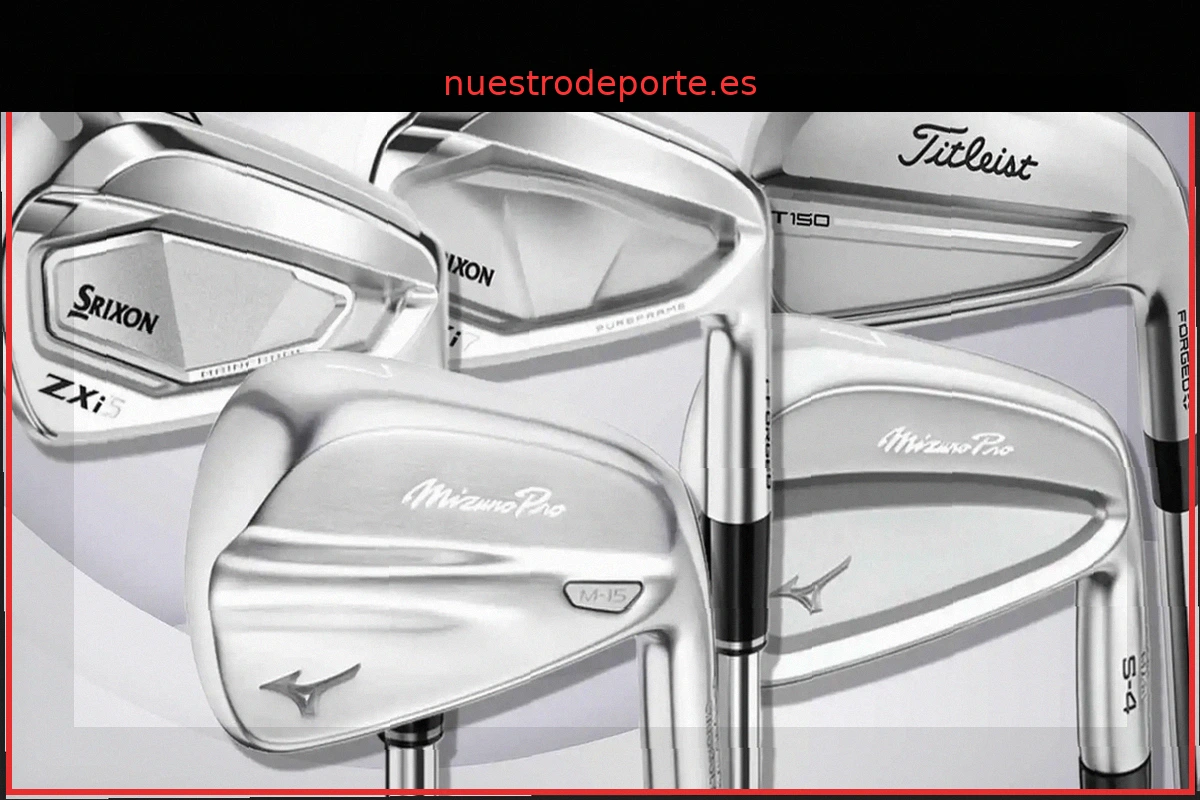
Los 5 palos más vendidos de septiembre
Hierros Los hierros volvieron a dominar las primeras posiciones en la lista de palos más vendidos de septiembre en Fairway Jockey. Dos fabricantes destacaron especialmente, presentando cuatro de los modelos en el top cinco. El Srixon ZXi5, un clásico de Srixon, ocupó el primer puesto este